
How to Fold a Dress Shirt for Travel Without Wrinkles

Button the front and lay the shirt face down on a clean, flat surface. Doing this locks the front panels together so loose fabric cannot bunch up and form deep creases. From there, fold the sides and sleeves straight inward, then bring the bottom hem up to the collar. Keeping the folds flat and wide shields the front button strip and protects the collar while the bag is on the move.
The exact routine shifts slightly with your packing setup. Stiff woven cotton holds fold lines much longer than synthetic performance fabrics, so it needs extra care around the seams. A flat carry-on suitcase also offers a firm base that a tightly packed duffel bag cannot match. Here is the straightforward way to fold, pack, and protect each shirt so it stays crisp for the trip.
- TLR Rank9.2
TLR Rank is a ranking system developed by TravelLuggageReviews.com. TLR Rank has no relationship or impact from any manufacturers or sales agent websites. Learn more
- BrandBoxLegend

- TLR Rank9.2
TLR Rank is a ranking system developed by TravelLuggageReviews.com. TLR Rank has no relationship or impact from any manufacturers or sales agent websites. Learn more
- BrandBoxLegend

- TLR Rank9.2
TLR Rank is a ranking system developed by TravelLuggageReviews.com. TLR Rank has no relationship or impact from any manufacturers or sales agent websites. Learn more
- BrandThule
- TLR Rank9.0
TLR Rank is a ranking system developed by TravelLuggageReviews.com. TLR Rank has no relationship or impact from any manufacturers or sales agent websites. Learn more
- BrandBoxLegend

- TLR Rank9.0
TLR Rank is a ranking system developed by TravelLuggageReviews.com. TLR Rank has no relationship or impact from any manufacturers or sales agent websites. Learn more
- BrandOutdoor Ventures

- TLR Rank9.0
TLR Rank is a ranking system developed by TravelLuggageReviews.com. TLR Rank has no relationship or impact from any manufacturers or sales agent websites. Learn more
- BrandCOOFANDY
- TLR Rank8.8
TLR Rank is a ranking system developed by TravelLuggageReviews.com. TLR Rank has no relationship or impact from any manufacturers or sales agent websites. Learn more
- BrandGeniusidea

- TLR Rank8.8
TLR Rank is a ranking system developed by TravelLuggageReviews.com. TLR Rank has no relationship or impact from any manufacturers or sales agent websites. Learn more
- BrandVosaplk

- TLR Rank8.6
TLR Rank is a ranking system developed by TravelLuggageReviews.com. TLR Rank has no relationship or impact from any manufacturers or sales agent websites. Learn more
- BrandOutdoor Ventures

- TLR Rank8.4
TLR Rank is a ranking system developed by TravelLuggageReviews.com. TLR Rank has no relationship or impact from any manufacturers or sales agent websites. Learn more
- BrandSwissGear
Last update on 2026-10-24 / Affiliate links / Images, Product Titles, and Product Highlights from Amazon Product Advertising API
What should you do before folding your shirt?
A great travel fold starts before you make your first crease. If you fold a shirt that already has wrinkles, the suitcase pressure will press those existing creases deep into the weave. Starting with a crisp, fully dry shirt makes the entire packing process work the way it should.
Heat is the first detail to watch. If you press your shirt with an iron right before packing, let the fabric hang on a hanger until it feels completely cool to the touch. Warm cotton fibers are soft and easily molded, which means folding a warm shirt locks in creases instantly. Give the shirt at least ten minutes to cool down and settle before you lay it out.
Next, secure the front so the fabric cannot twist while you fold. You do not need to do up every single button, but you must button the key points to keep the garment square. Smooth the fabric with your palms across a clean, flat surface like a dining table or a freshly made bed.
- Fasten every other button: Button the collar button, the third button down, and the bottom button. This secures the placket (the front button strip) and keeps the two halves of the shirt aligned.
- Check the collar stays: Make sure the plastic inserts inside the collar points (known as collar stays) are firmly in place. They prevent the collar tips from curling under suitcase weight.
- Fasten the cuffs: Button the cuff buttons so the wrist fabric stays flat instead of flutters open.
- Smooth out the back: Run your hands from the center of the chest outward toward the side seams to push out trapped air pockets.
How do you fold a dress shirt step by step?
This method mirrors the way clean shirts arrive from high-end shirtmakers. It creates a flat, rectangular package that resists shifting during transit. Clear off a wide, firm surface so you have plenty of room to spread the sleeves out without bunching.
- Lay the shirt face down: Place the shirt front-side down on your table. Straighten the hem, pull the sleeves out to the sides, and smooth the fabric flat across the back shoulder panel (the yoke).
- Make the first side fold: Place your hand along the back of the shirt, about two inches away from the collar edge. Fold that outer third of the shirt body straight across the back toward the center line.
- Align the first sleeve: Lay the sleeve straight down along the newly folded edge. The sleeve should run parallel to the outer fold, with the cuff pointing straight down toward the bottom hem. Keep the cuff flat against the shirt body without twisting the wrist seam.
- Fold the opposite side: Bring the other side of the shirt toward the center, folding it about two inches away from the collar edge just like the first side. Both sides should meet or overlap slightly in the center of the back.
- Align the second sleeve: Smooth the second sleeve straight down alongside the first folded sleeve. You now have a neat, narrow rectangle of fabric running from the shoulders to the bottom hem.
- Fold the bottom up to the waist: Take the bottom hem of the shirt and fold it upward by roughly one-third of the total shirt length. Smooth the folded fabric with your hands to keep the layers flat.
- Make the final fold to the collar: Bring that folded lower section up one more time so the bottom edge rests just beneath the bottom of the back collar. Flip the folded shirt over so the collar and front button strip face upward.
Once flipped, take one second to look at the front. The collar should stand clean and proud, and the front button strip should run straight down the middle without pulling to either side.
Should you roll or fold a dress shirt?
Rolling clothes is a popular way to pack casual items, but it does not work well for formal button-downs. T-shirts, athletic shorts, and socks have stretch and lack rigid structure, which makes rolling ideal for them. A dress shirt, however, has structured parts that fight against being rolled tightly.
The biggest problem with rolling is what happens to the collar and the front button strip. When you roll a dress shirt, you bend the stiff interfacing inside the collar, which crushes the crisp curve and leaves permanent puckers. Rolling also bends the front button strip across its grain, causing the fabric between the buttons to bulge outward when you put the shirt on.
Fabric type also plays a major role in how your clothes react in luggage. Heavy woven cottons like Oxford cloth, twill, and poplin have very little natural stretch. These fabrics need flat, gentle folds along natural seam lines to avoid wrinkling. Synthetic performance dress shirts handle rolling better than cotton, but their collars can still get crushed out of shape. For business travel or formal events, flat folding is always the safer choice.
If you are heading out on a spontaneous island getaway where you can travel without a passport, packing light with rolled casual shirts is fine. But whenever you pack a crisp collared shirt for a dinner or an event, stick to folding.
Where should your shirt go in the suitcase?
How you pack your bag matters just as much as how you fold your clothes. A perfectly folded shirt will still end up a mess if you bury it beneath heavy boots or a packed toiletry kit. Gravity and shifting contents are the main reasons creases set during a flight.
Always place heavy, rigid items at the bottom of your suitcase, down near the wheels. Put your shoes, heavy denim, and dopp kits in first. Your folded dress shirts belong at the very top of the stack, resting flat right under the suitcase lid or zip flap. This placement keeps the weight of your other belongings from pressing into the folds.
If you need to pack two or three shirts together, stack them collar-to-tail. Lay the first shirt down with the collar pointing toward the top handle of your bag. Lay the second shirt directly on top of it, but turn it around so its collar points toward the bottom wheels. This nesting technique balances out the height of the collars and prevents your stack from tilting to one side.
You can also protect the collar ring from getting crushed by other luggage items. Roll a soft leather belt and slip it inside the collar circle, or tuck a rolled pair of dress socks inside the neck opening. This fills the empty space inside the collar and acts as an internal support beam against suitcase pressure.
Airline travel can involve sudden gate checks or overhead bin rearrangements, especially for passengers flying standby on airline passes under non rev travel benefits. Keeping your shirts positioned flat at the top of your carry-on bag that fits in the overhead bin protects them even if a flight attendant has to shift your bag into a tighter space.
How do you fix wrinkles when you unpack?
The moment you step into your hotel room, open your luggage and pull your dress shirts out. Leaving folded shirts compressed inside a dark bag for hours allows light travel folds to set into sharp, stubborn lines. The faster you hang the shirt up, the easier it is to release any travel marks.
Hang the shirt on a thick wooden or plastic hanger rather than a thin wire hanger that can leave dimples in the shoulder fabric. Fasten the top collar button to help the collar hold its natural round shape while it hangs. In many cases, letting the shirt hang freely in fresh air for an hour or two allows natural cotton fibers to relax on their own.
If the shirt picked up minor creases along the sleeve or chest folds, use the bathroom shower steam method. Hang the shirt on the back of the bathroom door or on the towel rack, making sure it sits well away from direct water spray. Turn the shower on hot, close the bathroom door, and let the steam build up for ten to fifteen minutes. The warm moisture gently loosens the cotton fibers without wetting the fabric.
Once the room fills with steam, step in and gently pull the bottom hem and side seams downward with your hands to help the wrinkles drop out. Let the shirt hang in the dry bedroom air for twenty minutes so the humidity dries completely before you wear it.
Flight delays and rerouted trips can disrupt your schedule, especially when airlines issue a travel waiver that leaves you scrambling to reach your destination. Knowing how to refresh a dress shirt using quick bathroom steam means you can go from an airport delay straight to a formal dinner looking sharp.
What travel gear helps keep dress shirts crisp?
While folding by hand works well, certain travel accessories can add an extra layer of defense against baggage handling. The most useful tool for dress shirts is a structured garment folder, sometimes called a packing folder. These organizers use rigid back panels and folding envelopes to hold several shirts in one tight, flat package.
Garment folders work by locking the clothing in place so items cannot rub against one another. Friction between fabric layers inside a moving bag is what turns soft folds into hard creases. When your shirts are held securely inside a firm envelope, they stay flat even when your suitcase gets rolled over rough sidewalks or tossed into an overhead compartment.
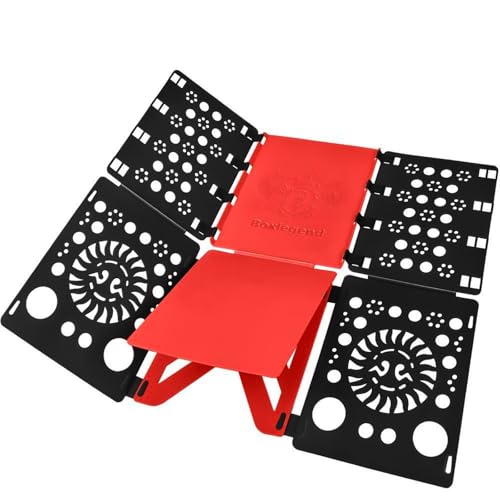
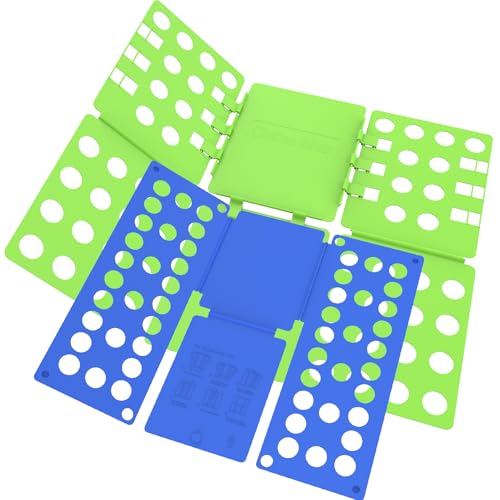
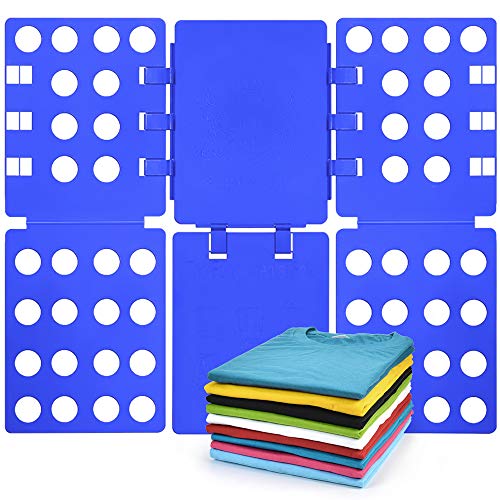
Another helpful accessory is a lightweight plastic shirt folding board. These flat panels act as an exact template, guiding you to fold every shirt into the exact same rectangular dimensions every single time. Consistent fold sizes mean your shirts stack neatly on top of one another without odd corners hanging out to get caught in zippers.
When shopping for shirt packing gear, look for lightweight materials like durable plastic or tear-resistant polyester that add protection without adding noticeable weight to your carry-on. Check that the organizer's dimensions match the interior width of your suitcase so it can lay flat without bending at the edges.
FAQs
Should you leave collar stays in your shirt while traveling?
Yes, keep your plastic collar stays inside the collar points while your shirt is packed. They maintain the crisp straight line of the collar tips and keep the points from curling under the weight of other clothing. Only remove metal collar stays if you plan to carry the shirt loose through airport security screening.
Can you pack a dress shirt in a duffel bag without wrinkling it?
You can pack a dress shirt in a duffel bag by using a rigid garment folder or by placing the folded shirt inside a structured packing cube. Duffel bags have soft sides that collapse and crush loose clothes, so adding a flat barrier protects the shirt from twisting. Always place the protected shirt along the flat top or side of the duffel.
How many buttons should you fasten before folding?
Fasten three buttons: the top collar button, the middle button on the chest, and the bottom button near the hem. Buttoning every single button takes extra time and is not necessary to hold the shape. Fastening these three points keeps the front button strip flat and prevents the two halves of the shirt from sliding apart.
Does dry cleaning plastic really stop wrinkles in luggage?
Yes, wrapping your folded dress shirt in a thin plastic dry cleaning bag reduces friction inside your suitcase. Wrinkles form when cotton fabric rubs against other rough fabrics like denim or canvas while the bag moves. The slick plastic lets clothing slide smoothly during transit instead of grabbing and bunching.
See also: how to fold a dress for travel.


Best Affordable Carry On Luggage 2026 - 11 Most Loving

The 12 Best Carry On Luggage For Bad Back 2026 - Top Choices

Best Tandem Double Buggy 2026 - 11 Best Rating

Top 12 Kids Rolling Suitcases for Fun and Easy Travel

The Ultimate Guide to Choosing the Best 8 Wheel Suitcase

Best Lightest carry on luggage with wheels in 2026

Top Airport Traveling Suitcases: Our 11 Best Picks

The Best Prams For Rough Terrain - (2026 Top Choice)










