
How to Fold a Suit Jacket for Travel Without Wrinkles

Most travelers assume packing a suit jacket requires a bulky garment bag, or they fold it like an everyday shirt. Folding it like a shirt crushes the stiff chest canvas and stamps harsh creases across the front. The proper technique is to tuck one shoulder inside out into the other so the lining faces outward. Nesting the shoulders cushions the pads, protects the outer fabric, and lets you fold the jacket gently across the waist without flattening its structure.
Your exact fold depends on the fabric and your luggage. Pure wool naturally sheds wrinkles and handles a flat fold in a carry-on, while cotton or linen creases quickly under pressure. Heavy shoulder pads also require a looser fold, whereas soft blazers can roll neatly to fit inside a duffel bag. Here is how to fold your jacket step by step so it arrives ready for your event.
- TLR Rank9.4
TLR Rank is a ranking system developed by TravelLuggageReviews.com. TLR Rank has no relationship or impact from any manufacturers or sales agent websites. Learn more
- BrandKIMBORA

- TLR Rank9.2
TLR Rank is a ranking system developed by TravelLuggageReviews.com. TLR Rank has no relationship or impact from any manufacturers or sales agent websites. Learn more
- BrandEagle Creek

- TLR Rank9.2
TLR Rank is a ranking system developed by TravelLuggageReviews.com. TLR Rank has no relationship or impact from any manufacturers or sales agent websites. Learn more
- BrandThule
- TLR Rank9.2
TLR Rank is a ranking system developed by TravelLuggageReviews.com. TLR Rank has no relationship or impact from any manufacturers or sales agent websites. Learn more
- BrandLimoomil

- TLR Rank9.2
TLR Rank is a ranking system developed by TravelLuggageReviews.com. TLR Rank has no relationship or impact from any manufacturers or sales agent websites. Learn more
- BrandZEGUR

- TLR Rank9.2
TLR Rank is a ranking system developed by TravelLuggageReviews.com. TLR Rank has no relationship or impact from any manufacturers or sales agent websites. Learn more
- BrandPonhog

- TLR Rank9.0
TLR Rank is a ranking system developed by TravelLuggageReviews.com. TLR Rank has no relationship or impact from any manufacturers or sales agent websites. Learn more
- BrandBALEINE

- TLR Rank8.8
TLR Rank is a ranking system developed by TravelLuggageReviews.com. TLR Rank has no relationship or impact from any manufacturers or sales agent websites. Learn more
- BrandLazebox

- TLR Rank8.8
TLR Rank is a ranking system developed by TravelLuggageReviews.com. TLR Rank has no relationship or impact from any manufacturers or sales agent websites. Learn more
- BrandVosaplk
- TLR Rank8.8
TLR Rank is a ranking system developed by TravelLuggageReviews.com. TLR Rank has no relationship or impact from any manufacturers or sales agent websites. Learn more
- BrandSimple Houseware

- TLR Rank8.6
TLR Rank is a ranking system developed by TravelLuggageReviews.com. TLR Rank has no relationship or impact from any manufacturers or sales agent websites. Learn more
- BrandSLEEPING LAMB
Last update on 2026-10-24 / Affiliate links / Images, Product Titles, and Product Highlights from Amazon Product Advertising API
The Inside-Out Shoulder Tuck: Step-by-Step Carry-On Fold
Suit jackets are built differently from everyday shirts. A standard dress shirt lies flat because it is made from simple flat panels of cotton. A tailored jacket, however, has curved structure built into the shoulders, chest, and collar. If you fold a suit jacket like a regular button-down shirt, you end up bending the canvas (the stiff inner chest lining) directly in half and crushing the shoulder pad (the shaped padding inside the shoulder seam). That produces harsh lines across the front that an ordinary hotel iron cannot fix without damaging the wool.
The inside-out shoulder tuck solves this problem by nesting the curved parts together, keeping the internal structure supported, and letting the slick lining take any friction from travel. Lay your jacket on a clean, flat surface like a bed or table, and follow these steps.
- Unbutton all front buttons and empty every pocket. Take out pens, wallets, tickets, and pocket squares. Reason: Leaving buttons fastened pulls the fabric tight across the chest, which forms diagonal crease lines under luggage pressure, while heavy pocket items press hard dents into the outer fabric.
- Pop the collar and turn the left shoulder inside out. Reach inside the left sleeve from behind, grab the shoulder seam, and pull it through so the interior lining is on the outside. Do not pull the sleeve all the way through; leave the sleeve tucked softly inside the shoulder cavity. Reason: The smooth lining protects the delicate exterior wool or linen from rubbing against coarse luggage materials, zipper teeth, or rough seams during travel.
- Nest the right shoulder into the turned-out left shoulder. Take the right shoulder, which is still right-side out, and slide it directly into the open hollow of the inverted left shoulder. Reason: This cradles the two shoulder pads against each other like nested soup spoons, which keeps the padding rounded and prevents it from bending or flattening out.
- Straighten the lapels and the front panels. Lay the jacket flat on the bed with the nested shoulders at the top and the slick lining facing upward. Smooth the lapel (the folded collar flap on the chest) and make sure the chest panels rest flat against one another. Reason: Aligning the lapels keeps the canvas (the stiff inner chest lining) flat so it does not develop permanent ridges across the chest.
- Fold the jacket horizontally across the waistline. Bring the bottom hem up to the collar, or fold the top collar down toward the hem so the jacket forms a neat, compact rectangle. Reason: Placing the single horizontal fold at the natural waistline keeps any mild fabric softening in the spot where your belt sits, making any subtle wave completely invisible when you wear the jacket.
When you are packing for an island wedding or cruise to sunny destinations where you can explore where to travel without a US passport, this fold works equally well on lightweight tropical wools and summer blends. It creates a neat package roughly the size of a standard laptop, ready to slip straight into your suitcase.
The Gentle Roll Method for Duffel Bags and Small Bags
While the flat shoulder fold works wonderfully for rectangular carry-on suitcases, duffel bags, weekenders, and small backpacks have different internal shapes. Shoving a flat-folded jacket into an oval or barrel-shaped bag forces the corners to crumple, ruining the clean lines of the lapels. In these tighter, curved spaces, rolling your jacket is often the better choice.
Rolling is not about tightly wrapping your jacket like a sleeping bag. A tight roll will stretch the outer weave and twist the sleeve seams. A gentle roll creates a soft cylinder that cushions the fabric against deep creases. This method works especially well for unconstructed blazers, which have very little interior padding.
- Nest the shoulders using the inside-out tuck. Just like the flat fold, turn one shoulder inside out and slide the other shoulder cleanly inside it so the lining faces out. Reason: The nested shoulder pads must stay supported so the padding does not crumple into a lumpy shape inside your duffel.
- Smooth the sleeves down the center of the body. Lay the jacket flat on your bed with the front lapels aligned, and place both sleeves straight down along the body length. Reason: Straightening the sleeves ensures the arm fabric rolls parallel to the body seams rather than bunching into diagonal twists.
- Place a soft garment across the upper chest. Take a plain cotton t-shirt, a knit sweater, or a lightweight gym shirt, roll it into a loose log, and set it across the chest area right below the collar. Reason: This soft core prevents the stiff inner chest lining from bending past a safe curve as you roll the suit jacket around it.
- Roll the jacket loosely from the collar down to the hem. Roll the fabric smoothly around the soft center item, keeping your hands relaxed and applying light, even pressure. Reason: Loose rolling prevents sharp bends in the fabric while keeping the roll compact enough to fit into a weekend bag.
- Slide the rolled bundle into a light cloth bag. Put the rolled jacket into a breathable cotton shoe bag, a laundry sack, or a loose packing cube. Reason: The outer pouch holds the roll together so it cannot unfurl and snag against other gear inside your luggage.
Where to Pack Your Suit Jacket in Luggage
Even the most careful fold will fail if you place a heavy pair of leather dress shoes or a dense toiletry kit directly on top of your suit. Luggage handlers and tight overhead bins put pressure on your bag, and heavy items act like a hot iron pressing sharp creases into whatever sits beneath them. Where you position the jacket inside your luggage matters just as much as how you fold it.
- Make the jacket the top layer of your main compartment. Pack all heavy items first. Place your shoes, hair dryers, heavy denim pants, and dopp kits at the bottom near the suitcase wheels. Set your folded jacket right on top just before you close the bag lid so nothing heavy rests on the shoulders or lapels.
- Level out the surface before laying the jacket down. Never place a folded suit jacket on an uneven mountain of rolled socks and jeans. Smooth out your lower layers using flat t-shirts or underwear to create a level, flat bed for the jacket to rest on.
- Create a barrier against abrasive fabrics. The slick lining protects the inside of your fold, but the exposed outer layer needs protection too. Slip a dry cleaner plastic bag around the folded jacket, or place a clean cotton undershirt beneath it to prevent friction against coarse denim or zipper teeth.
- Keep luggage compression straps snug, not strangled. Suitcase hold-down straps keep contents from shifting, but pulling them tight will crush the chest structure. Cinch the straps just enough to hold the clothing in place without digging deep gullies into the jacket.
- Fill the dips between internal handle rails. If you pack your jacket into a wheeled suitcase that has two metal handle bars running down the floor of the compartment, roll a few pairs of socks or t-shirts and fill those gaps first. Laying a jacket across bare handle rails causes deep ridges down the back of the coat.
If you are flying on a standby ticket or airline employee pass where overhead bin space can disappear in an instant, understanding what is non rev travel helps you plan for strict carry-on restrictions. When you cannot risk gate-checking your bag, placing your jacket safely on top of your carry-on ensures it stays pristine even if your bag has to fit into a tighter space.
How to Smooth Out Creases at the Hotel
The moment you step inside your hotel room, take your suit jacket out of the luggage. Leaving it compressed inside a closed bag overnight will lock in any minor ripples from the flight. Giving the fabric breathing room allows the natural fibers to relax on their own.
Hang the jacket immediately on a proper hanger. Avoid the flimsy wire hangers often found in hotel closets, as their narrow metal rims poke sharp dents into the shoulder seam padding. If the closet only has thin hangers, grab a wooden or thick plastic hanger from the rack, or wrap a hand towel over a wire hanger to build a broad, supportive perch for the shoulder pads.
If you notice light creases across the waist or elbows, use the hotel bathroom steam method:
Hang the jacket on the back of the bathroom door or on a hook well away from the shower stall. Turn the shower on hot, close the bathroom door, and let steam fill the room for ten to fifteen minutes. The warm humidity penetrates natural fibers like wool, causing the individual threads to swell and drop their creases naturally. Keep the jacket far enough from the showerhead to avoid any direct water splashes, which can leave water spots on fine tailoring.
Once the room is steamy, use the clean, dry palms of your hands to gently smooth down the front lapels, sleeves, and lower hem. Do not yank or stretch the fabric. After smoothing, immediately move the jacket out of the humid bathroom and hang it in the main bedroom where dry air circulates. Let it dry completely for thirty minutes before putting it on. Wearing a slightly damp wool jacket will press new wrinkles into the elbows the second you bend your arms.
Avoid using standard hotel room irons directly on your jacket. Most travel irons have uneven heat controls and dirty steam plates that can spit rusty water. Direct heat also scorches wool fibers, leaving a permanent shiny glare on the lapels and chest canvas. If you must iron out a stubborn crease, lay a clean, damp white cotton hand towel over the fabric and press gently on the towel rather than touching the iron directly to the suit.
Packing Gear That Keeps Jackets Flat
Hand-folding works for most trips, but frequent business travelers and wedding guests often use specialized packing accessories to take the worry out of the process. If you travel often with formal wear, having the right gear keeps your jacket crisp and prevents other luggage items from shifting against it.
Structured garment folders are ideal for standard carry-on suitcases. These are lightweight fabric organizers that feature a firm folding board and folding wings that close with hook-and-loop fasteners. You place your jacket over the folding board, fold the edges around it, and pull the wings shut. This applies light, even compression across the entire surface of the jacket, keeping it completely flat while preventing it from sliding around inside your suitcase during transit.
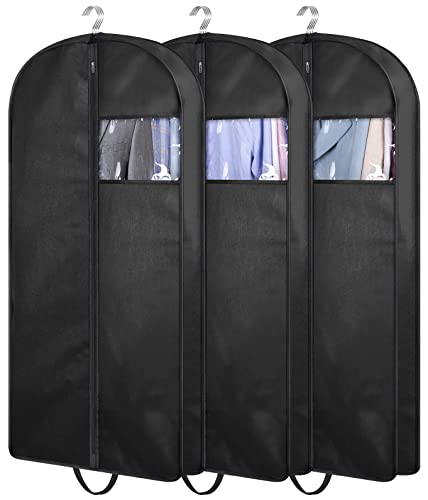
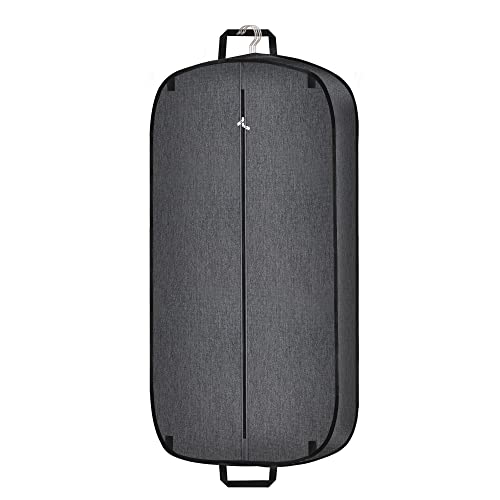
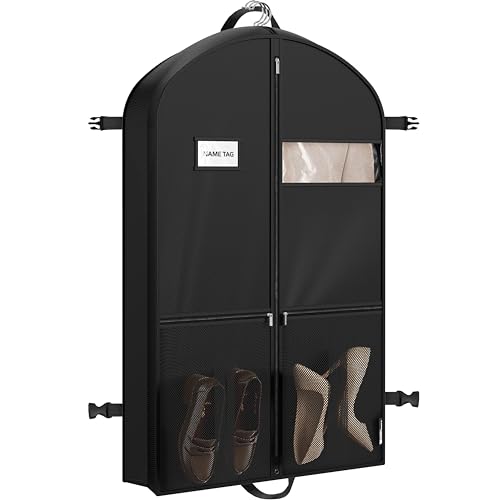
For trips where you want to carry your suit separately without folding it into a small rectangle, hanging travel garment bags are the classic solution. These bags allow you to leave the jacket on its hanger, zip it into a protective cover, and fold the entire bag in half using top carrying handles or a shoulder strap. When looking for a hanging garment bag, check the internal depth. Look for bags that feature a gusset (an expandable side panel on a travel bag) of at least 3 to 4 inches. A wide side panel ensures that the bag does not crush the chest padding when zipped shut, especially if you plan to carry both a jacket and a pair of trousers inside.
Before choosing any packing gear, check the interior dimensions against your jacket size. A garment folder should measure at least 15 to 17 inches long so you only need to fold the jacket once across the waist. For hanging garment bags, confirm that the bag has an internal clamp or loop to lock your hangers in place. A loose hanger allows the jacket to slide into a crumpled pile at the bottom of the bag during your walk through the airport terminal.
FAQs
What if my suit jacket has very thick shoulder pads?
Jackets with thick shoulder pads need extra care during the shoulder tuck step. When nesting the shoulders together, take a moment to smooth the pads with your fingers so they cup each other smoothly without curling at the edges. Never force a thick shoulder pad into a tight fold across its center. If your carry-on luggage is shallow, use the gentle roll method with a soft rolled t-shirt placed inside the shoulder hollow to keep the thick padding rounded.
Is it better to roll or fold a suit jacket for travel?
Folding is better for standard rectangular carry-on bags and structured luggage because it keeps the inner chest lining completely flat. Rolling is better for duffel bags, backpacks, and weekenders where luggage corners might crush flat edges. Rolling also works well for unconstructed blazers that lack heavy shoulder padding, while structured business suits travel best with a flat shoulder tuck fold.
Does jacket fabric affect how it should be packed?
Natural wool has natural elasticity that releases wrinkles quickly when hung in a steamy bathroom, making it very forgiving of both rolling and folding. Pure linen and lightweight cotton, however, lack elasticity and crease easily under pressure. For linen and cotton jackets, use the flat shoulder tuck fold and wrap the jacket inside a plastic dry-cleaning bag to reduce friction between the fabric layers.
Can I pack a suit jacket inside a vacuum compression bag?
Do not use vacuum compression bags for tailored suit jackets. While vacuum bags save space by sucking out air, the extreme pressure crushes the shaped shoulder pads and bends the internal chest canvas. Once the stiff inner chest lining is crushed under vacuum pressure, the creases are often permanent, and the jacket will no longer drape smoothly across your chest.
See also: how to fold slacks for travel and how to fold socks for travel.


Best Affordable Carry On Luggage 2026 - 11 Most Loving

The 12 Best Carry On Luggage For Bad Back 2026 - Top Choices

Best Tandem Double Buggy 2026 - 11 Best Rating

Top 12 Kids Rolling Suitcases for Fun and Easy Travel

The Ultimate Guide to Choosing the Best 8 Wheel Suitcase

Best Lightest carry on luggage with wheels in 2026

Top Airport Traveling Suitcases: Our 11 Best Picks

The Best Prams For Rough Terrain - (2026 Top Choice)










